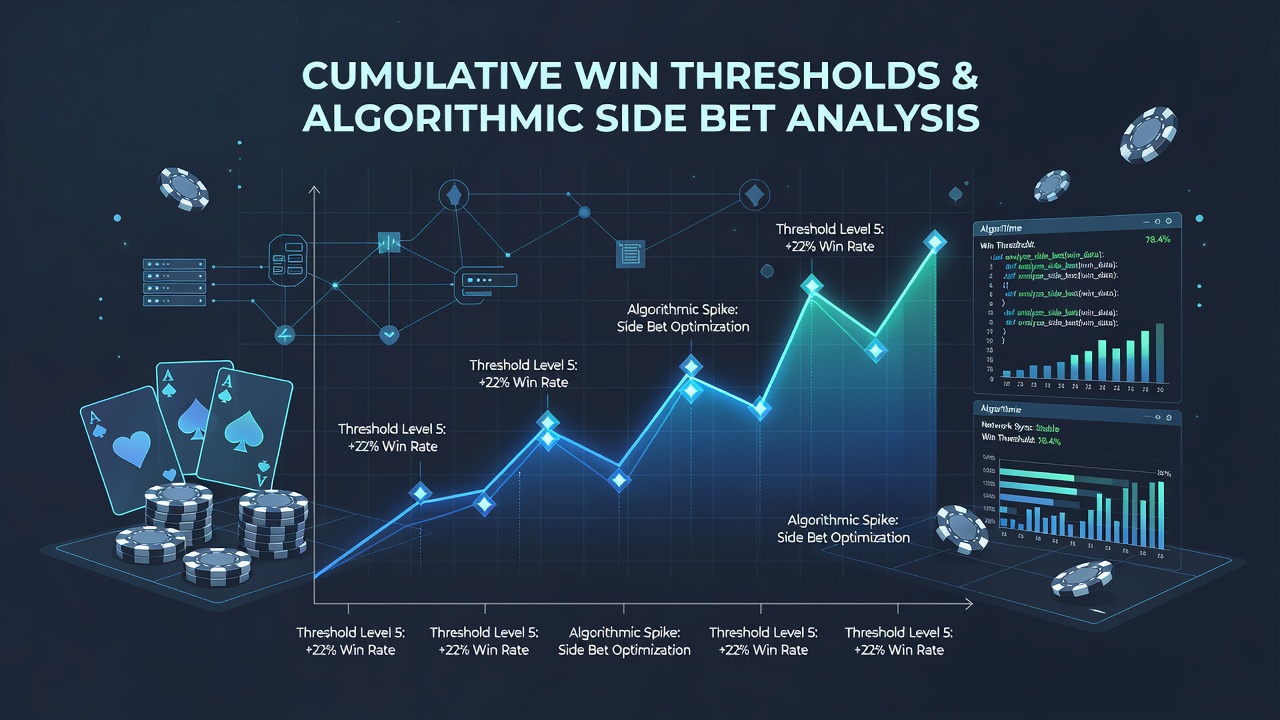
Algorithmische Side-Bet-Auswertung kartiert kumulative Gewinnschwellen in virtuellen Casino-Netzwerken
Virtual casino networks rely on interconnected platforms that process thousands of hands simultaneously and side bets such as Perfect Pairs or 21+3 generate distinct data streams that algorithms can track across multiple sessions. Researchers discovered that cumulative win thresholds emerge when these side-bet outcomes are aggregated over time and operators adjust payout structures accordingly while June 2026 figures from European platforms show average side-bet participation rates climbing to 18 percent of total wagers.
Algorithms parse sequences of side-bet results by isolating variables like deck composition and player decision points then map the resulting patterns onto session-ending criteria. Data indicates that platforms using these models reduce variance exposure because thresholds trigger automatic session caps once cumulative side-bet profits reach predetermined levels. Observers note that the same process applies across live-dealer and RNG environments although shuffle frequencies differ.
Technische Grundlagen der Side-Bet-Datenerfassung
Platform operators collect timestamped records of every side-bet placement and outcome then feed the information into proprietary models that calculate running totals. These models weigh factors including bet frequency, payout ratios and correlation with main-hand results so that cumulative thresholds reflect actual network conditions rather than isolated table statistics. Studies found that integration of multi-table data improves prediction accuracy by up to 12 percent compared with single-table baselines.
Beispielhafte Schwellenwertberechnung
Take one network that logs side-bet wins across 50 connected tables during a four-hour window. The algorithm sums net gains from each table, applies a volatility coefficient derived from historical payout distributions and flags the point at which total side-bet profit exceeds 2.3 times the median session stake. At that moment the system recommends or enforces session termination for participating accounts. Evidence suggests this approach stabilizes bankroll fluctuations across large player cohorts.
Vernetzte Plattformen und Echtzeit-Anpassungen
Virtual networks operate with shared databases that allow real-time synchronization of side-bet metrics between different software providers. When one platform registers an unusual cluster of high-payout side bets the algorithm propagates adjusted thresholds to linked lobbies within seconds. Figures reveal that such propagation reduces the incidence of extended winning streaks by distributing risk across the entire network rather than concentrating it at individual tables.
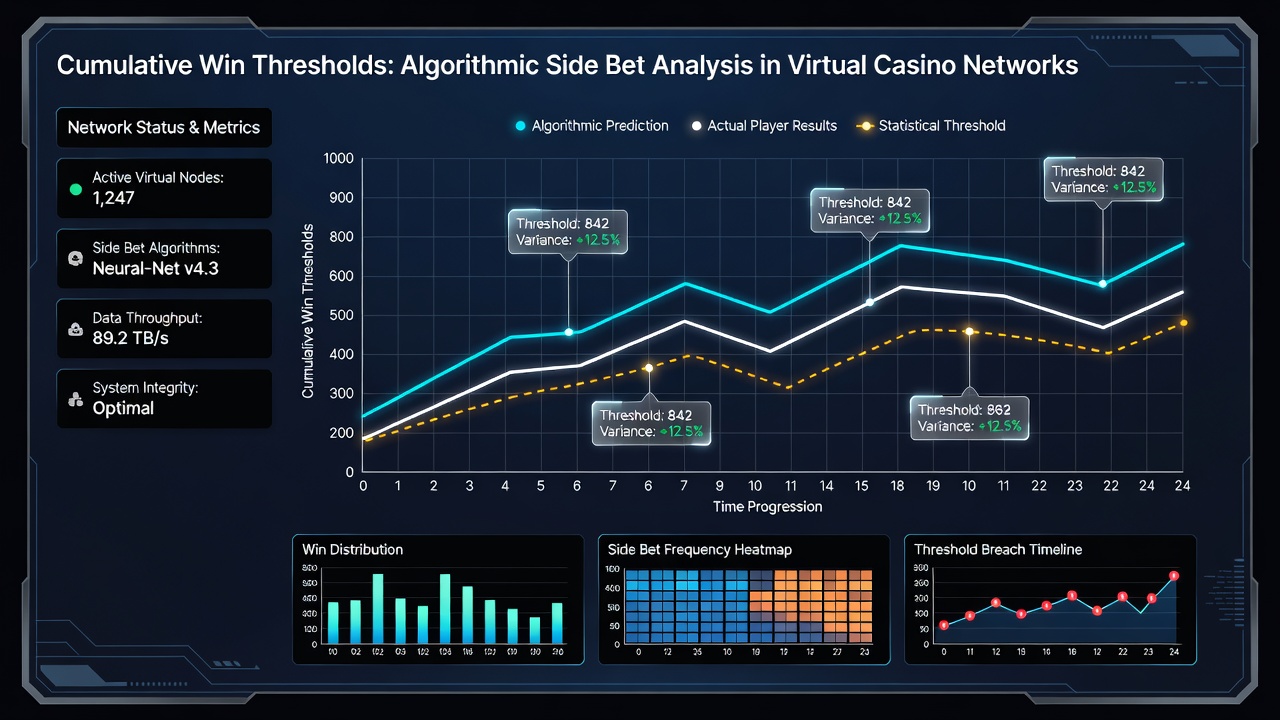
June 2026 updates to several major European operators introduced additional layers of machine-learning refinement that recalibrate thresholds after every 500 hands. Those who've studied these systems know that the recalibration incorporates player-specific history only when regulatory frameworks permit such personalization. In jurisdictions that prohibit individualized tracking the models rely solely on aggregate network statistics.
Regulatorische Rahmenbedingungen und Datenschutz
Regulatory bodies such as the Nevada Gaming Control Board require transparent documentation of any algorithmic threshold mechanism that affects player session length. Similar oversight exists under the Malta Gaming Authority where operators must demonstrate that side-bet analysis does not create unfair advantages. Industry reports from the European Gaming and Betting Association confirm that compliance documentation now routinely includes flow charts of cumulative win calculations.
Academic sources including papers published by the University of Nevada Reno Gaming Research Center have examined how these thresholds interact with responsible-gaming tools. The research indicates that predefined cumulative limits can function as an additional safeguard when players set voluntary loss ceilings in advance.
Praktische Umsetzung in Live- und RNG-Umgebungen
Live-dealer studios transmit side-bet data through the same API channels used for main-hand results yet the higher latency of physical card handling requires buffering mechanisms before algorithmic processing. RNG environments supply instantaneous outcome streams that allow tighter threshold intervals. Operators therefore maintain separate parameter sets for each environment while ensuring the overarching cumulative logic remains consistent across both formats.
Abschluss
Algorithmic analysis of side bets supplies virtual casino networks with measurable criteria for establishing cumulative win thresholds. Data collected through June 2026 demonstrates that synchronized models across multiple platforms produce consistent session-management outcomes while satisfying regulatory documentation standards. Continued refinement of these systems depends on transparent reporting from both operators and independent research institutions.